01
The leadership team is not aligned
Priorities compete, assumptions differ, or difficult issues remain unresolved.
Peak Sessions and Coaching
Outside support is most valuable when the leadership team needs the space, structure, and objective guidance to align, decide, and move forward.
Priorities compete, assumptions differ, or difficult issues remain unresolved.
The team needs a focused process that connects planning, decisions, ownership, and execution.
New capital, commitments, and expectations require a coordinated execution plan.
Execution Drift is becoming visible through slipping results, inconsistent accountability, unclear priorities, or lost momentum.
More teams, dependencies, and decisions are making coordination harder.
Alignment and accountability depend too heavily on the CEO’s constant involvement.
Start with a conversation and determine whether the right next step is a Peak Session, an assessment, or ongoing coaching.
Two ways to engage
Address an immediate execution need through one focused Peak Session, or build and sustain a stronger operating rhythm through ongoing Peak OS Coaching.
Bring the leadership team together around an immediate execution need and leave with the decisions, ownership, and direction required to move forward.
Best for
Your team leaves with
Build the leadership habits, accountability, and operating rhythm needed to execute consistently as growth and complexity increase.
Best for
The engagement can include
A Peak Session can stand alone or become the starting point for continued Peak OS Coaching.
Inside a Peak Session
A Peak Session is designed around what your leadership team needs to accomplish—not a generic agenda or one-size-fits-all workshop.
Your Peak Coach works with the CEO and key leaders to clarify the challenge, gather the right inputs, and design a focused process.
Before the session
Clarify the challenge, gather relevant inputs, and determine what the leadership team must accomplish together.
Create shared visibility
Bring priorities, assumptions, risks, dependencies, and unresolved issues into a productive conversation.
Make progress together
Work through the decisions, tradeoffs, priorities, and ownership required to move the organization forward.
Turn conversation into action
Document priorities, actions, owners, measures, and the operating cadence needed to sustain momentum.
The goal is to give the leadership team the clarity, alignment, and ownership required to execute after the session ends.
Ongoing Peak OS Coaching
Ongoing coaching helps leadership teams build an Operating Rhythm that continually reconnects organizational intent and execution as the organization grows and conditions change. Operating Rhythm = Execution Cycle + Operating Cadence.
The coaching cycle
Your Peak OS Coach helps the leadership team build an Operating Rhythm that connects Review → Learn → Plan → Act across annual, semiannual / quarterly, and weekly cadences.
The goal is not dependence on the coach. It is a stronger, more capable leadership team and a system the organization can sustain.
Clarify where the organization is going, reassess progress during the year, and make the choices required to move forward.
Translate strategic direction into focused priorities, measures, commitments, and ownership for the next quarter or planning cycle.
Run the Execution Cycle through annual, semiannual / quarterly, and weekly intervals—each with the depth and decisions appropriate to that horizon.
Strengthen communication, decision-making, trust, accountability, and shared ownership.
Connect leadership priorities with teams, owners, dependencies, and coordinated execution across the organization.
Surface issues earlier, learn from results, and adjust priorities as conditions and information change.
What becomes different
The work becomes visible when the leadership team begins operating with greater clarity, ownership, coordination, and consistency.
Teams are working hard but not always toward the same outcomes.
The company and its teams understand what matters most now.
Important commitments move between people or remain unresolved.
Owners, commitments, measures, and expectations are clear.
Teams share updates but important issues continue to circulate.
The operating cadence produces decisions, action, and learning.
Risks become visible only after progress or results have slipped.
Metrics, discussion, and escalation reveal issues sooner.
Dependencies are unclear and teams optimize for local goals.
Teams understand dependencies and deliver together.
Focus and accountability rely on continual CEO intervention.
The leadership team sustains alignment and execution together.
The goal is to help the organization align, adapt, and execute together as growth and complexity increase.
How to begin
You do not need to know exactly which service you need before reaching out. Start with the execution pressure your leadership team is facing, and we will determine the most useful next step together.
Discuss what is creating execution pressure, what the leadership team needs to accomplish, and where outside support may be useful.
Determine whether the best next step is a focused Peak Session, an Execution Assessment, or continued Peak OS Coaching.
Your Peak Coach gathers the right inputs, designs the process, and ensures the leadership team is prepared to use the time well.
There is no formal preparation required. Come ready to discuss what is happening, what the team needs, and what a successful next step would make possible.
Start with the challenge. We will help determine the right path.
Engagement and investment
Every engagement is shaped around the organization’s needs, stage, leadership team, and operating cadence. The structure remains practical, focused, and connected to execution.
Coaching support
Your Peak OS Coach helps the leadership team prepare well, use its time productively, and sustain momentum after each session.
Gather inputs, design sessions, document decisions, and maintain follow-through.
Connect long-term direction with quarterly priorities and measurable commitments.
Strengthen communication, decision-making, trust, and shared ownership.
Improve the cadence connecting meetings, metrics, decisions, and accountability.
Review commitments, identify risks, and address issues before progress slips.
Clarify dependencies, ownership, coordination, and shared priorities across teams.
Help the organization use Peak OS Software as part of its shared operating rhythm.
Provide practical support as questions, decisions, or execution issues arise.
The purpose, participants, cadence, and level of support are shaped around what the leadership team needs to accomplish.
Meet the Peak OS Coaches
Peak OS Coaches bring practical leadership experience, structured facilitation, and an outside perspective to the moments when alignment, decisions, and execution matter most.
 Founder of Peak OS
Founder of Peak OS · CEO of Collective Genius
Jeff has spent more than two decades working with founders, CEOs, leadership teams, and investors to build greater clarity, alignment, accountability, and organizational execution.
View Jeff’s Profile
Certified Peak OS Coach
Growth leader experienced in creating structure, aligning teams, and helping high-growth companies turn commercial strategy into coordinated execution.

Certified Peak OS Coach
Executive leader and company builder who helps leaders navigate pressure, make intentional decisions, and create alignment through growth and change.

Certified Peak OS Coach
Operations and transformation leader who helps organizations connect strategy, operational discipline, leadership, and measurable execution.
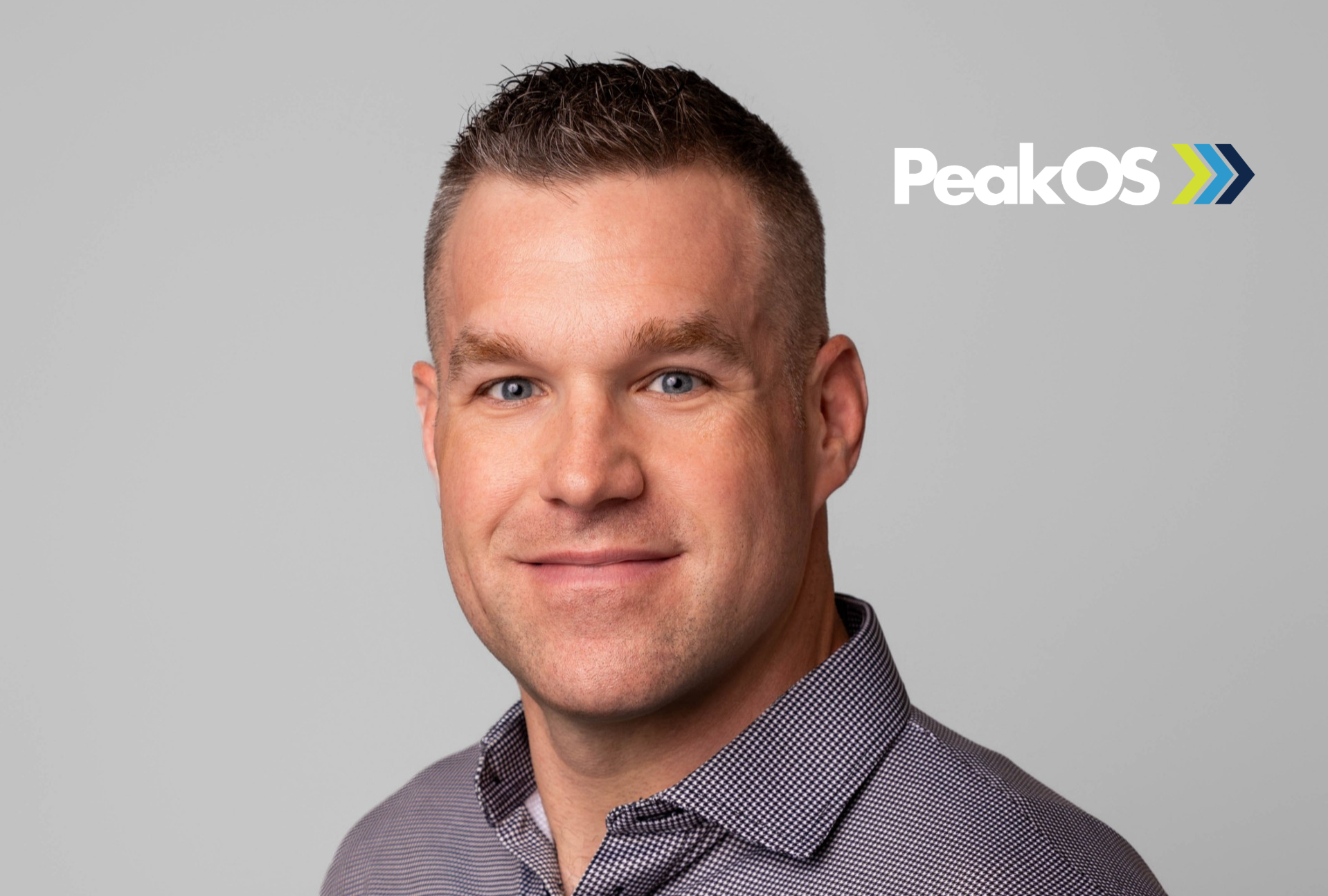
Certified Peak OS Coach
Entrepreneur and growth leader who helps leadership teams navigate scaling, strategic planning, operating complexity, and sustainable execution.
Peak OS Coaches are experienced founders, CEOs, executives, and operators chosen for their leadership background, facilitation ability, and capacity to build trust through difficult conversations.
What leaders experience
Leaders describe greater alignment, more productive planning, clearer accountability, and stronger execution after working with Collective Genius and Peak OS.
Peak OS helped Slingshot Aerospace sharpen alignment across the organization, maintain focus on what mattered most, and strengthen accountability as the company grew.
In a remote-first organization scaling quickly, outside guidance helped Flowspace align around core objectives and establish the infrastructure needed to execute over time.
Facilitation helped the Upfront Ventures partnership align on goals, work through internal priorities, and connect annual planning with focused execution.
Start with a focused conversation about the challenge, the outcome, and the level of support that would be most useful.
Frequently asked questions
Every organization begins from a different place. These answers explain the most common ways leadership teams engage with a Peak OS Coach.
Start with the challenge you are facing. We will help determine whether the right next step is a Peak Session, assessment, or ongoing coaching.
Ask a QuestionA Peak Session is a focused engagement designed around an immediate leadership-team need, such as annual planning, quarterly planning, alignment, a funding transition, or an execution reset.
Ongoing Peak OS Coaching provides continued facilitation and support as the team builds its operating rhythm, strengthens accountability, and improves execution over time. A Peak Session can stand alone or become the starting point for an ongoing engagement.
Peak Sessions can support leadership-team alignment, annual or quarterly planning, priority setting, ownership clarification, funding-to-execution planning, cross-functional coordination, difficult decisions, and execution resets.
The agenda is designed around what the team needs to accomplish, rather than applying the same workshop format to every organization.
Some organizations engage a coach for one focused Peak Session. Others work with a coach across several quarters or years as the company grows, the leadership team changes, and execution needs evolve.
The cadence and duration depend on the organization’s stage, complexity, internal capabilities, and desired outcomes.
Yes. The goal is not to make the organization dependent on a coach. The coach helps the leadership team build the habits, capabilities, and operating rhythm required to sustain stronger execution internally.
Some teams continue with periodic outside facilitation, while others transition more of the process to internal leaders.
Yes. Annual and quarterly facilitation are common parts of an ongoing coaching engagement.
The coach helps the leadership team connect long-term direction to near-term priorities, work through tradeoffs, clarify ownership, define measures, and establish the cadence required to execute after the planning session ends.
Coaching can include Peak OS Software enablement, configuration guidance, leadership-team adoption, and support connecting the platform to the organization’s operating rhythm.
Software is useful when it reinforces how the organization already plans, meets, tracks priorities, reviews metrics, and manages accountability. It is not a substitute for leadership alignment or effective operating habits.
A traditional consultant may primarily analyze a situation and recommend what the company should do. A Peak OS Coach works with the leadership team to surface issues, facilitate decisions, establish ownership, and build a repeatable way of operating.
The emphasis is on helping the organization develop stronger execution capability—not simply delivering a report or managing the company on the team’s behalf.
The purpose, participants, cadence, and level of support are determined by what the leadership team needs to accomplish.
Take the next step
Start with the execution pressure you are facing. We will help determine whether the right next step is a focused Peak Session, an Execution Assessment, or ongoing Peak OS Coaching.
Address an immediate planning, alignment, funding, or execution need.
Understand what is helping—or limiting—the organization’s ability to execute.
Build and sustain the operating rhythm required for stronger execution.
Come ready to discuss what is happening, what the team needs, and what a successful next step would make possible.
Looking for a deeper view of organizational execution?
Explore Execution AssessmentsGet research, practical frameworks, and insights on operating rhythm, leadership, alignment, organizational intelligence, and execution.

Get started today before this once in a lifetime opportunity expires.