
Why Founders Struggle to Become CEOs
Why Founders Struggle to Become CEOs
One of the biggest transitions inside growth companies is rarely discussed openly.
The transition from founder to CEO.
At the beginning of a company, the founder often is the company.
They hold:
-
product context
-
customer understanding
-
urgency
-
vision
-
decision-making
-
execution momentum
The organization moves quickly because almost everything stays connected to one person.
But growth changes the role completely.
As companies scale:
-
teams specialize
-
communication fragments
-
departments emerge
-
leadership layers form
-
operational complexity increases
Eventually, many founders realize something uncomfortable:
The instincts that helped build the company are no longer enough to scale it.
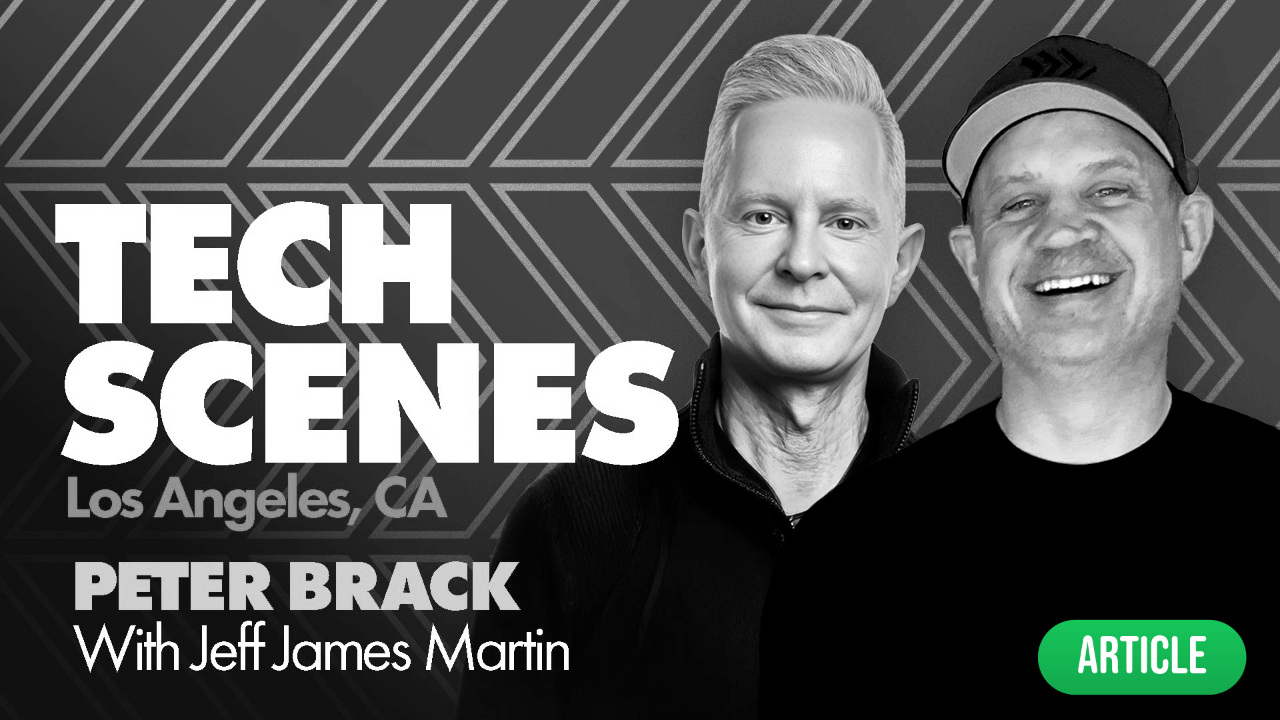
This was one of the strongest themes that emerged during a recent Tech Scenes conversation with executive CEO coach Peter Brack, who described his work simply:
“I help founders become CEOs.”
That transition sounds simple.
In reality, it is one of the hardest organizational shifts growth companies face.
You can watch the full Tech Scenes episode with Peter Brack here:
Founder Is a Title. CEO Is a Craft.
One of the most important ideas discussed in the conversation was the distinction between being a founder and learning the craft of being a CEO.
Many founders initially lead through:
-
instinct
-
speed
-
vision
-
intensity
-
direct involvement
And early on, that often works extremely well.
But as organizational complexity increases, leadership becomes less about individual execution and more about organizational coordination.
The role evolves into:
-
building leadership systems
-
creating operating rhythm
-
maintaining alignment
-
strengthening organizational visibility
-
coordinating cross-functional execution
-
helping teams scale together
That requires a different skill set.
Peter Brack described the CEO role as a craft that must be developed intentionally over time, much like mastering any other high-performance discipline.
This is where many growth companies begin experiencing friction.
As organizations scale, leaders must move from founder-led execution to system-led organizational execution.
The Inferiority Complex Most Leaders Never Talk About
One of the most important operational insights from the conversation centered around fear.
Especially the fear founders experience when organizations begin scaling beyond their personal expertise.
This often appears after:
-
a major funding round
-
aggressive hiring
-
executive leadership expansion
-
rapid organizational growth
Suddenly, founders are hiring leaders with:
-
decades of domain expertise
-
enterprise experience
-
operational specialization
-
larger management backgrounds
Many founders quietly begin asking themselves:
“How do I lead people who know more than I do?”
This creates a form of inferiority complex that many scaling leaders experience but rarely discuss openly.
Peter Brack explained that many founders lead from fear without fully realizing it.
That fear can create:
-
overcontrol
-
micromanagement
-
decision bottlenecks
-
delayed delegation
-
leadership exhaustion
The issue is not intelligence.
The issue is identity transition.
Founders who built organizations through individual capability must eventually learn how to scale through coordinated leadership systems.
Scaling Organizations Require Organizational Execution
One of the biggest misconceptions in growth companies is the belief that scaling is primarily about hiring more talented people.
Talent matters.
But organizational execution matters more over time.
As organizations scale into team-of-teams structures, success increasingly depends on:
-
coordination
-
visibility
-
alignment
-
operating rhythm
-
recurring execution cadence
Without those systems, organizations naturally drift toward:
-
reactive execution
-
leadership bottlenecks
-
cross-functional friction
-
execution drift
-
organizational noise
This is why modern growth companies increasingly require:
-
measurable alignment
-
organizational synchronization
-
recurring operating rhythm
-
cross-functional visibility
The organizations that scale best are usually not the ones with the smartest individuals.
They are the ones capable of maintaining synchronized execution as complexity increases.
Delegation Is Not Loss of Control
Another important theme from the conversation was the idea that founders do not need to be the smartest person in the room.
Organizations often begin scaling faster once founders learn how to:
-
hire domain experts
-
trust experienced operators
-
delegate effectively
-
create organizational clarity
-
coordinate through systems instead of control
This is one of the defining shifts between:
-
building a company
and -
scaling a company
Strong CEOs eventually stop trying to personally control every function.
Instead, they focus on:
-
direction
-
clarity
-
operating rhythm
-
organizational coordination
-
decision quality
-
leadership development
This is one reason organizational execution systems become increasingly important as companies grow.
They reduce dependency on constant founder intervention.
Why Operating Rhythm Matters
One of the strongest recurring themes in modern growth organizations is the importance of cadence.
Without recurring operational cadence, organizations naturally lose synchronization over time.
This is especially true in:
-
distributed organizations
-
AI-accelerated environments
-
cross-functional companies
-
rapidly scaling teams
Operating rhythm creates recurring systems for:
-
visibility
-
accountability
-
execution review
-
coordination
-
alignment reinforcement
This helps leadership teams maintain signal as complexity increases.
Rather than constantly reacting to operational chaos, organizations develop structured coordination systems capable of scaling with the business.
The Real Shift From Founder to CEO
The founder-to-CEO transition is ultimately not about becoming less visionary.
It is about becoming more organizationally intentional.
The best scaling leaders eventually learn:
-
they do not need all the answers
-
they do not need to control every decision
-
they do not need to be the smartest person in the room
What they need is the ability to help organizations move together with clarity.
That is the real craft of becoming a CEO.
Increasingly, it is one of the defining operational challenges facing modern growth companies.
Many of the organizational execution concepts discussed in this article align closely with the work behind Collective Genius Peak OS and the ideas explored in Peak Teams – Mastering the Habits of Unstoppable Venture-Backed Companies.
Frequently Asked Questions
Why do founders struggle to become CEOs?
As organizations scale, leadership complexity increases significantly. Founders often move from direct execution into roles requiring organizational coordination, delegation, alignment, and operational leadership.
What is the founder-to-CEO transition?
The founder-to-CEO transition is the shift from building through instinct and direct involvement to leading through systems, operating rhythm, organizational visibility, and coordinated execution.
Why do scaling founders experience fear?
Many founders experience fear as organizations grow because they begin hiring leaders with deeper domain expertise and larger operational experience. This often creates identity tension and fear around delegation and leadership.
What causes leadership bottlenecks in growth companies?
Leadership bottlenecks usually occur when organizations depend too heavily on founders for decision-making, coordination, visibility, and alignment instead of building scalable execution systems.
Why is operating rhythm important for CEOs?
Operating rhythm creates recurring systems for alignment, visibility, accountability, and coordinated execution. This helps organizations maintain synchronization as complexity increases.
How does Peak OS support scaling leadership teams?
Peak OS helps organizations strengthen operating rhythm, measurable alignment, organizational visibility, and team-of-teams coordination through software, methodology, and coaching.
Related Concepts
-
Organizational Execution
-
Operating Rhythm
-
Founder-to-CEO Transition
-
Leadership Alignment
-
Team-of-Teams Coordination
-
Organizational Synchronization
-
Cross-Functional Visibility
-
Execution Drift
-
Measurable Alignment
Related Insights from Tech Scenes
The founder-to-CEO transition is deeply connected to several broader operational themes emerging across modern growth companies.
As organizations scale, leaders are increasingly navigating:
-
AI-driven complexity
-
faster execution cycles
-
organizational learning challenges
-
founder isolation
-
cross-functional coordination pressure
Additional related insights from Tech Scenes include:
-
Why AI Makes Leadership More Important — Insights from Tech Scenes with Executive Coach Brian Wang
-
Why Growth Companies Need Faster Organizational Learning Loops
-
Why Growth Companies Need Operating Systems That Reduce Founder Isolation
Together, these conversations reinforce a broader pattern appearing across modern growth organizations:
As complexity accelerates, companies increasingly need stronger operating rhythm, organizational synchronization, and leadership systems capable of helping teams scale together.
